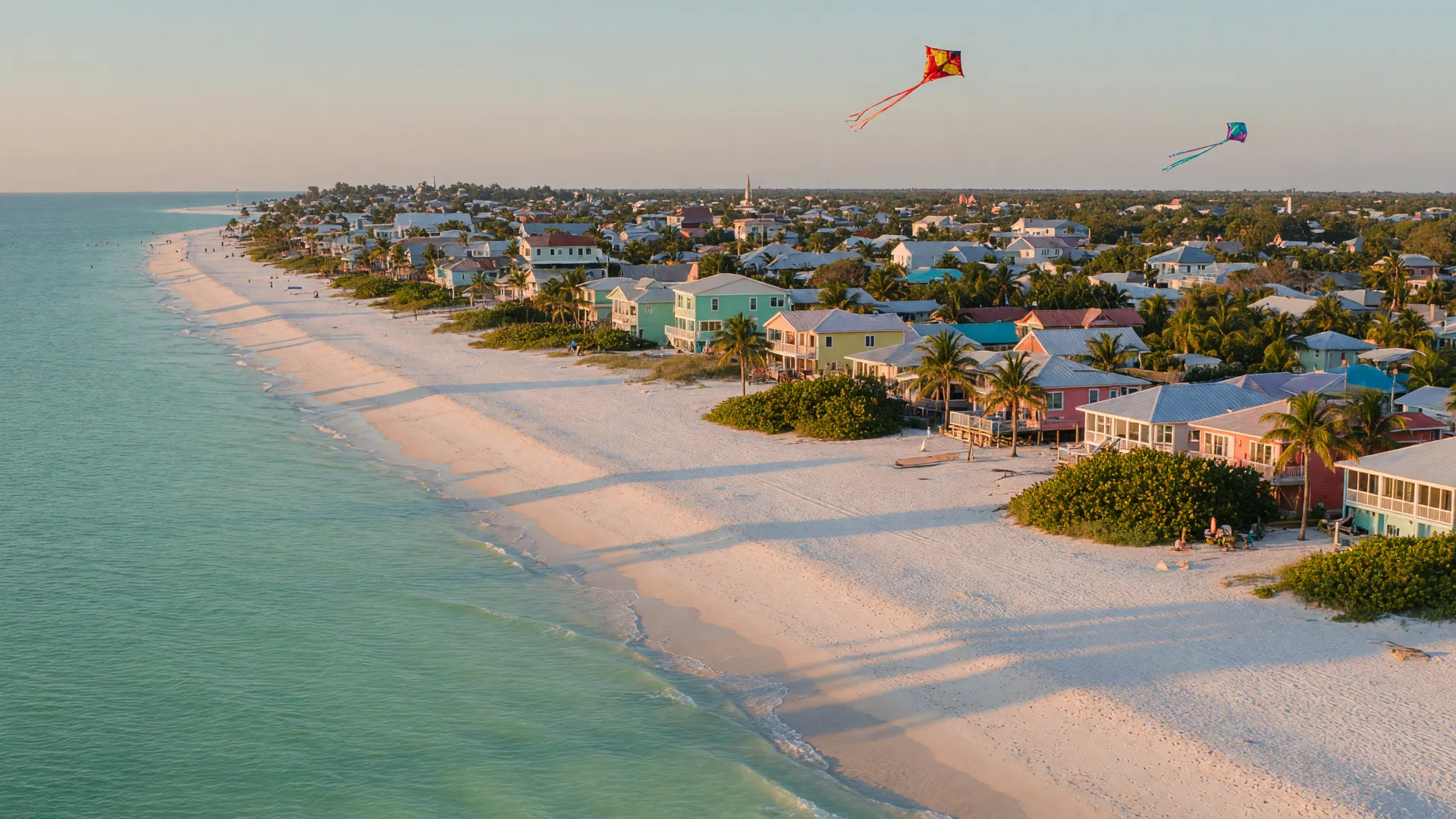
Anna Maria Island is a roughly seven-mile barrier island at the mouth of Tampa Bay, and one of the last places on Florida's Gulf Coast that still feels like old Florida. What surprises most buyers is that it is not one town but three, each with its own rules, its own character, and its own price point. If you are considering the island, the smartest first step is understanding which city fits your plan, because the differences go far beyond which beach you are closest to.
The three cities, and how they differ
At the north end sits the City of Anna Maria, the quietest and most residential of the three, with old Florida cottages, Pine Avenue's small shops, and Bean Point, where the bay meets the Gulf. In the middle, Holmes Beach is the island's main commercial and resort hub, with the largest share of its housing inventory, hotels, and services. At the south end, Bradenton Beach is the liveliest, built around Bridge Street's restaurants and shops and the historic Bradenton Beach City Pier. Single-family homes make up the large majority of island listings, with low-rise condos, cottages, and townhomes making up much of the rest.
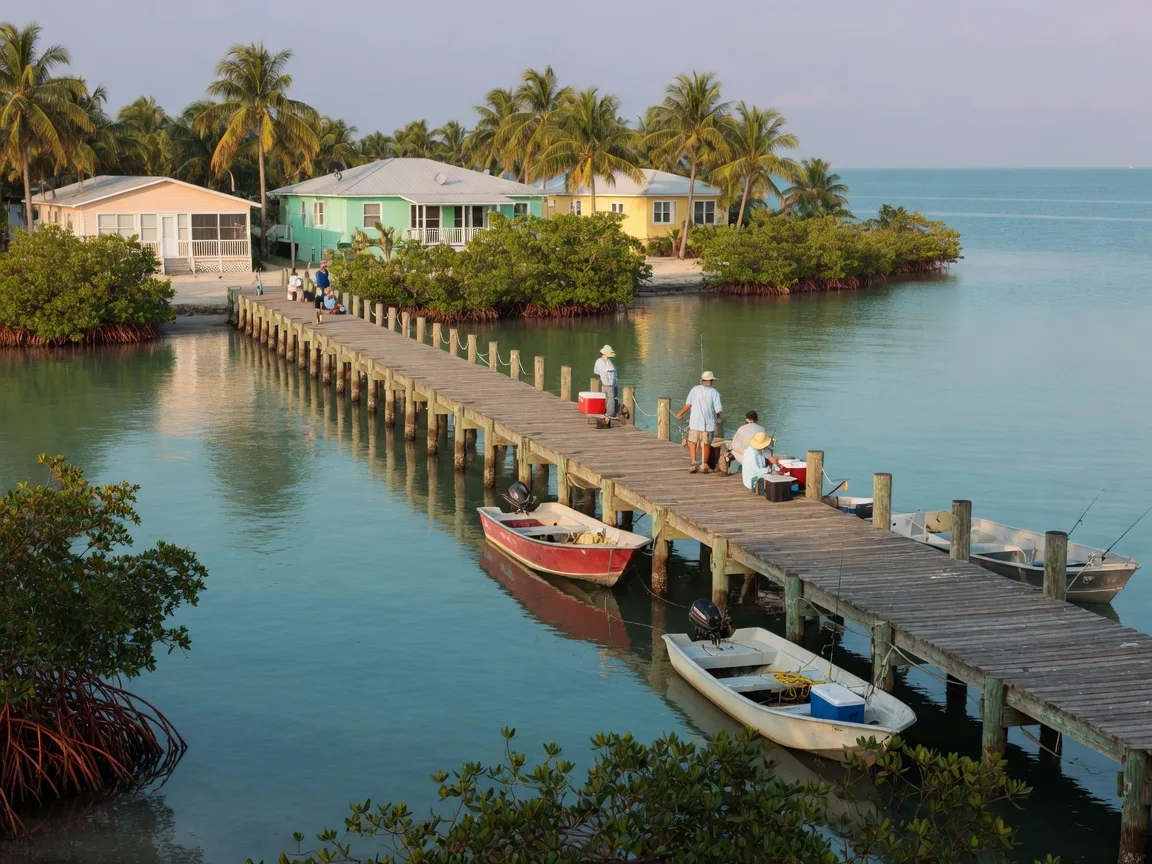
The wooden City Pier on Tampa Bay, a favorite for views and fishing on the island's bay side.
The price picture, honestly
The island is expensive, and the numbers moved through 2025. Recent market reports show median sale prices in Anna Maria around $1.6 million, with island-wide estimates ranging higher depending on the source, and entry-level cottages typically starting around $800,000 and reaching up past $1 million. Gulf-front estates regularly clear $5 million. Active inventory stays tight, often well under a few hundred listings across the whole island, so well-priced homes do not sit. Prices have softened somewhat year over year, which matters: it means buyers who are patient and prepared can negotiate, especially on properties that have been sitting.
Rental rules vary by city. Read them before you buy.
Manatee County has no island-wide short-term rental ordinance, so each city sets its own policy, and they differ meaningfully. The City of Anna Maria is the strictest: nightly rentals are allowed, but only with annual registration, state licensing, fees, and inspections. Holmes Beach is generally the most rental-friendly for investors, but in its main residential zones rentals require a 30-day minimum stay. Bradenton Beach allows nightly rentals with both a state license and a city permit, with occupancy limits. State sales tax and the county bed tax apply everywhere. If rental income is part of your plan, the city you buy in is the single most important variable, and the rules have changed over time, so verify the current ordinance before you commit.
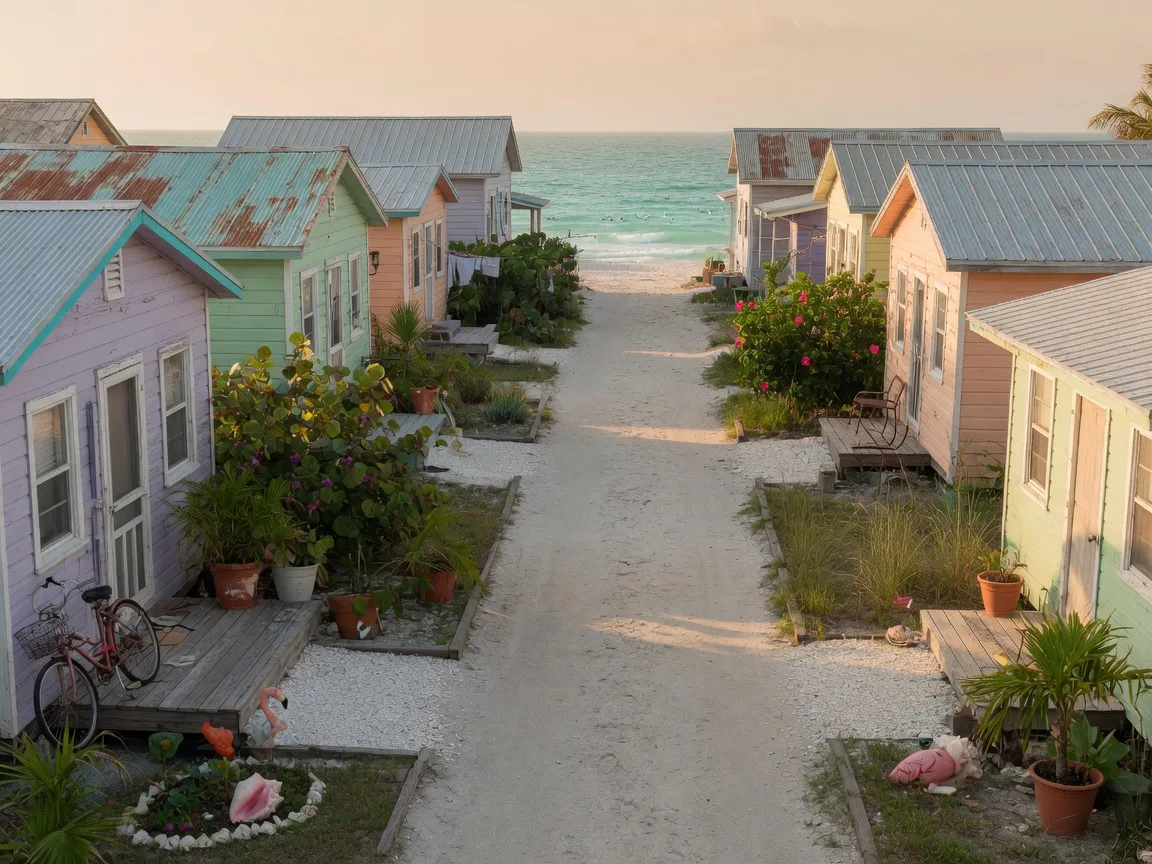
Old Florida beach cottages on a shaded island lane, the housing style that defines much of the island.
What the 2024 storms changed
Hurricanes Helene and Milton, back-to-back in late 2024, brought serious storm surge to the island, with Bradenton Beach among the hardest hit areas. Recovery work continued well into 2025. That history shapes buying decisions today: homes rebuilt after the storms were brought up to current FEMA flood standards, which is a genuine upside, and flood insurance on waterfront parcels under Risk Rating 2.0 commonly runs in the $4,000 to $12,000 range per year. Add insurance, taxes, and maintenance to any scenario before you fall in love with a price.
The honest buying notes
Three things deserve real thought. First, the island has no high-rises, and strict height limits keep it that way: that character is protected, but it also means limited inventory. Second, parking and seasonality are part of daily life, especially near Bridge Street in season, so visit outside the tourist window if you can. Third, and most important, do your insurance homework before you negotiate, not after. The island rewards buyers who understand the flood elevation, the elevation certificate, and the true carrying cost of a waterfront home. My full Anna Maria Island community guide goes deeper on each of these.
If you could pick any spot on the island, would you choose the quiet north end near Bean Point for sunsets, or the Bridge Street side for steps-to-the-pier living?
Tell me which part of the island sounds like home and why. Your answer usually reveals a lot about the right city, the right home type, and the right price range for you, and I will give you my honest take on it.

Roger Reed
Realtor, RAR Property Group | eXp Realty
I help buyers, sellers, and investors throughout Florida's Gulf Coast make smarter real estate decisions. Licensed in Florida: SL 3407667.
Get in touchWant the full picture on island living?
I work with buyers across all three island cities and know where the value and the headaches actually are. Send me a message or grab a quick call.
Roger Reed · 941-402-0083 · roger@rarpropertygroup.com